Why Your BCD Choice Matters More Than You Think
For my first 150 dives, I used whatever BCD the dive shop strapped to a tank. Jacket style, always. Some fit okay. Some felt like wearing an inflatable life jacket designed by someone who'd never been underwater. I never thought about it. Most divers don't.
Then a tech diver friend handed me his backplate and wing rig on a dive in Monterey Bay. Within five minutes underwater, I understood what I'd been missing. My trim was effortless. My air consumption on that dive was the lowest I'd ever logged. I felt like I'd been driving with the parking brake on for years.
That experience sent me down a rabbit hole. Here's what I learned.
What a BCD Actually Does
Three things:
1. Holds your tank — the physical interface between your body and your cylinder. 2. Controls buoyancy — add air to go up, dump air to go down. 3. Carries accessories — D-rings, pockets, attachment points.
Simple. But the way a BCD accomplishes these three tasks varies dramatically between designs, and those differences have measurable consequences underwater.
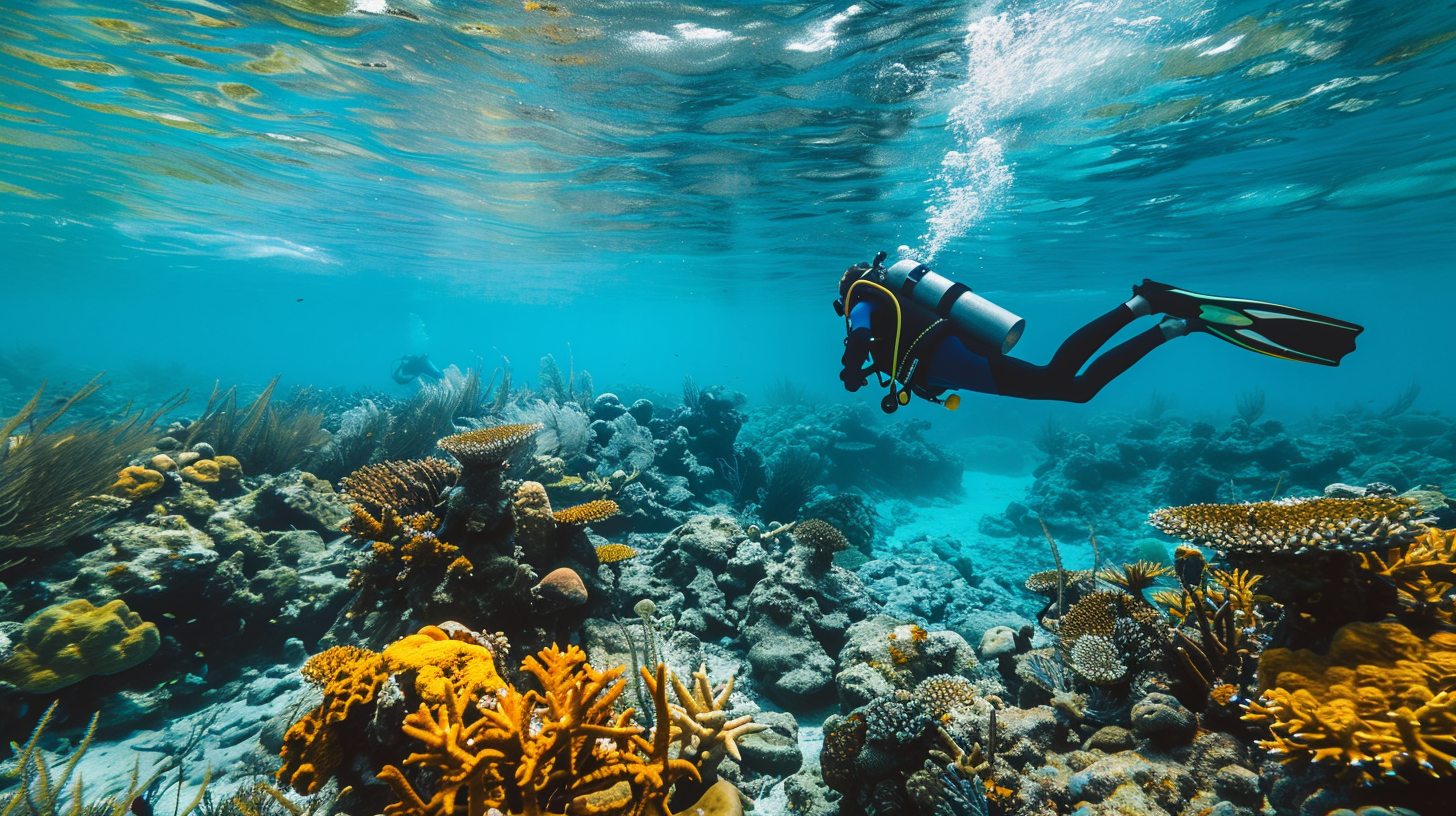
The Three BCD Styles
Jacket-Style BCDs
This is what you learned on. Air bladders wrap around your torso — front, sides, and back — inflating like a vest. The Aqua Lung Pro HD, Cressi Travelight, and ScubaPro Hydros Pro are popular examples.
What they do well:
- Surface comfort. They keep you upright and stable on the surface when inflated. For new divers, this is reassuring.
- Integrated weight pockets. Almost all jacket BCDs have them, eliminating the weight belt.
- Storage. Lots of pockets and D-rings.
- Familiarity. Most rental gear is jacket-style, so the learning curve is zero.
- Trim. This is the big one. When inflated, the air wraps around you in a horseshoe shape, pushing your body upright underwater. You want to be horizontal. The jacket fights you. You spend energy — and air — fighting back.
- Squeeze at depth. As you descend, the bladder compresses around your ribs. It feels constricting. Not dangerous, but not pleasant.
- Air migration. With air distributed around your entire torso, small body position changes shift air around unpredictably. Your buoyancy changes when you didn't ask it to.
Back-Inflate BCDs
The entire air bladder sits behind you. The front is just a harness. The Zeagle Stiletto, Dive Rite Transpac, and Aqua Lung Rogue are good examples.
Advantages:
- Better trim. With all buoyancy behind you, a properly weighted diver naturally goes horizontal. This is the single biggest practical advantage.
- No chest squeeze. Nothing inflates around your front. Breathing feels unrestricted at any depth.
- Streamlined profile. Less drag. Less effort. Less air consumed.
- Surface position. When fully inflated on the surface, it pushes you face-forward. You have to actively lean back. New divers find this unsettling.
- Fewer pockets. The minimalist front harness means less built-in storage.
Backplate and Wing (BP/W)
This is the modular system favored by technical divers. A rigid metal or carbon fiber backplate. A donut-shaped wing bolts onto the back. A simple webbing harness threads through the plate. Halcyon Evolve, xDeep Zeos, and OMS wings are popular choices.
Advantages:
- Best trim of any system. The rigid backplate distributes weight evenly. The wing provides lift exactly where needed. Divers who switch to BP/W often describe a revelation — I certainly did.
- Infinite configurability. Mix and match backplates (steel for cold water weight, aluminum for travel), wings (different lift capacities for singles vs. doubles), and harnesses.
- Indestructible. The backplate is a slab of metal. The harness is webbing. The wing is a simple bladder. These systems last decades.
- Simplicity. Strip away the padding, pockets, and plastic buckles. You're left with essentials. I find this liberating.
- Learning curve. The continuous harness requires practice to adjust and don.
- Less comfortable on the surface. Like back-inflate, it pushes you forward. Steel backplates feel heavy during the surface swim.
- Minimal padding. Budget setups can be uncomfortable without a pad.
Why Trim Is Everything
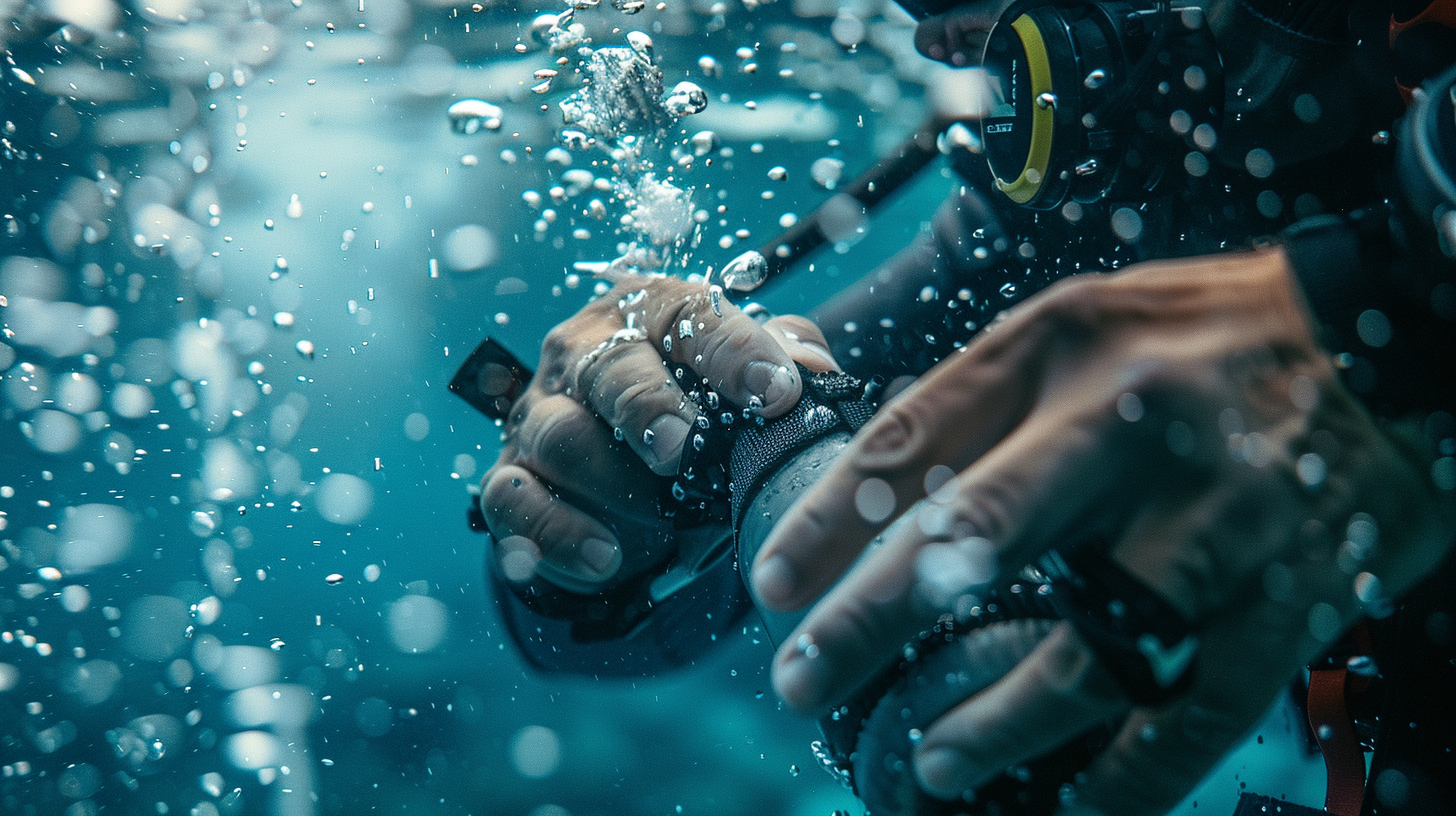
The reason experienced divers obsess over BCD style comes down to trim — your body position in the water.
A horizontal diver is hydrodynamically efficient. Water flows smoothly. Fin kicks propel forward, not upward. Less energy, less air, less sediment disturbed.
A vertical or angled diver fights the water with every kick. Fins push water downward — stirring up silt — as well as backward. More effort. More air. Shorter dive.
I measured this. When I switched from a jacket BCD to a backplate and wing and spent five dives adapting, my air consumption dropped roughly 15% over the next 20 dives. That's 300-500 PSI saved per dive. Directly translated to 5-10 more minutes of bottom time. Published research supports this — a study in Diving and Hyperbaric Medicine (2017) found that horizontal trim reduces a diver's drag coefficient by up to 40% compared to a 30-degree angle.
Weight Distribution
Where your weights sit relative to your center of gravity determines whether you're head-heavy, feet-heavy, or balanced.
Jacket BCDs put integrated weights at your hips. This makes your lower body heavy. Head-up, feet-down position. The exact opposite of what you want.
BP/W systems let you position weight precisely. A steel backplate adds weight high on your back. Trim weights on tank straps fine-tune fore-and-aft balance. The result is a diver who can hover motionless in any position without effort.
Lift Capacity: Don't Oversize It
For single-tank recreational diving:
- Warm water (3mm suit): 20-30 lbs of lift is plenty.
- Temperate water (5mm suit): 30-40 lbs covers it.
- Cold water (7mm + heavy undergarments): 40-50 lbs.
My Honest Recommendations
New divers (0-50 dives): Start with whatever you're comfortable in. A well-fitting jacket BCD is fine. Focus on building buoyancy skills. The ScubaPro Hydros Pro and Aqua Lung Pro HD are excellent.
Developing divers (50-200 dives): Try a back-inflate. Your buoyancy skills are good enough for the different surface behavior, and you'll immediately benefit from improved trim. The Zeagle Stiletto is a great transitional option.
Experienced divers (200+ dives): If you haven't tried a backplate and wing, borrow one. Most divers who try BP/W never go back. The xDeep Zeos is an excellent entry point — it includes some padding and integrated weight pockets that ease the transition.
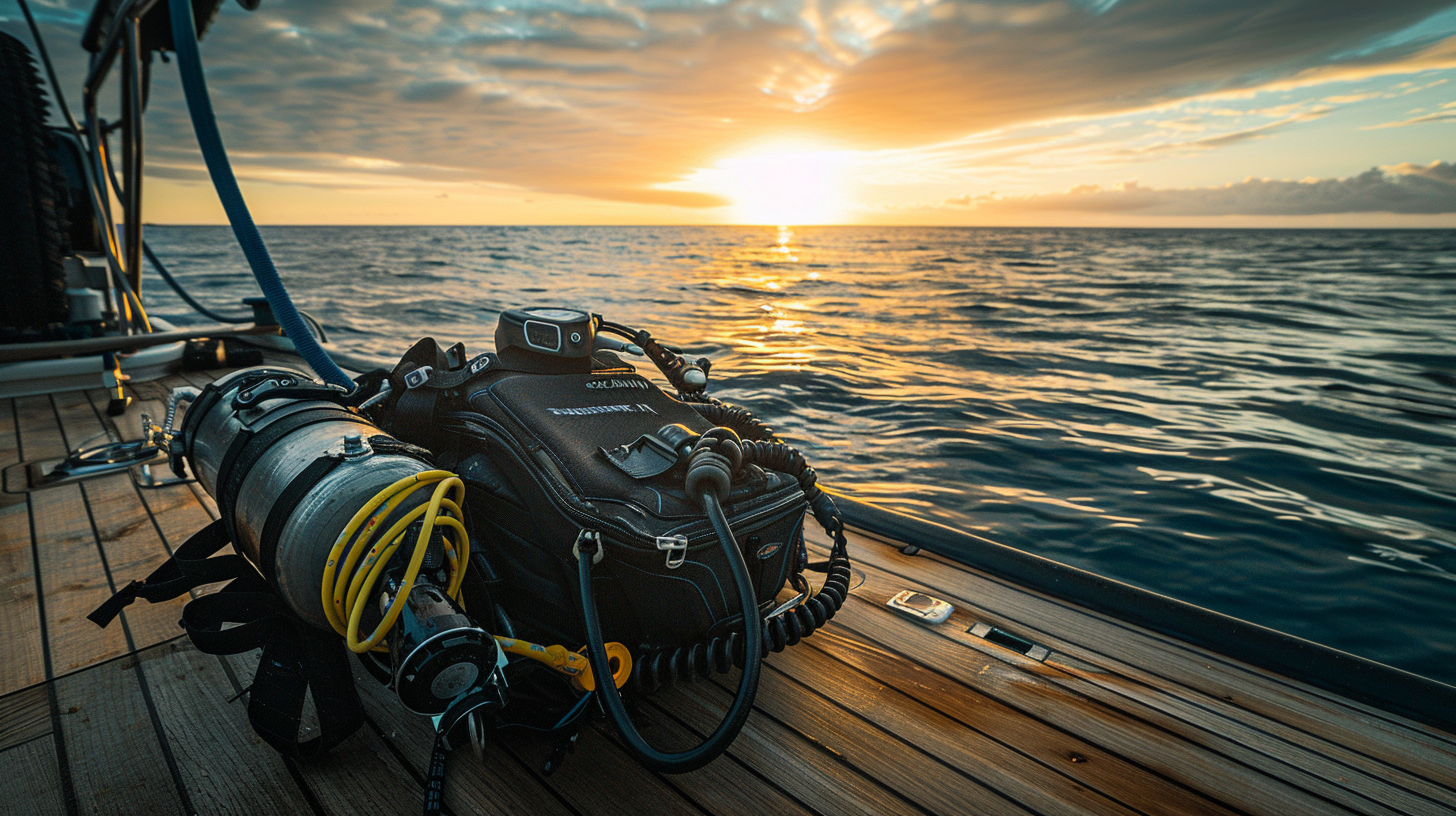
Your BCD is the piece of gear you interact with on every single dive. Investing thought into getting the right one pays dividends on every dive for years. I wish someone had told me that 150 dives earlier.
More Gear Reviews
Browse all gear reviews on the [OkToDive blog](/blog). Every review is written by a chemist who tests gear, not a marketer who photographs it.
→ [Trip Planner](/trip-planner) — match your gear to the right destination | [Best places to dive](/blog/best-places-to-scuba-dive)
→ [Subscribe to The Depth Report](/#newsletter) — monthly gear reviews, dive site scores, no hype.
I'm Chad. Your chemist who finally stopped fighting his own buoyancy.