Wetsuit Buying Guide: How to Choose the Right Thickness
I once did a 55-minute dive in the Pacific Northwest in a 3mm wetsuit because I "ran warm." I do not, in fact, run warm. I run optimistic.
That dive taught me something: cold isn't just uncomfortable. Cold makes you stupid. Your decision-making degrades. Your air consumption spikes because you're shivering. A 2019 study in the European Journal of Applied Physiology found that a 1°C drop in core temperature reduces cognitive function by roughly 15%. Underwater, that's not an inconvenience. That's a safety problem.
So let's talk about choosing the right thickness. Not from a chart. From experience and physics.
How Wetsuits Actually Work
Quick thermodynamics refresher. A wetsuit traps a thin layer of water between neoprene and skin. Your body heats that water. The neoprene insulates the warm water from the cold ocean. Thicker neoprene means more insulation — but also more restriction, more buoyancy to manage, and more weight.
Here's what most guides skip: fit matters more than thickness. A perfectly fitting 5mm suit will keep you warmer than a loose 7mm suit. Every time you move in a loose suit, cold water flushes through gaps at the neck, wrists, ankles, and zipper. You're basically running an open heat exchanger against your own body. Thermodynamically, it's a disaster.
The single best piece of advice I can give you: try it on. If you can't try it on, measure carefully and follow the manufacturer's size chart obsessively.
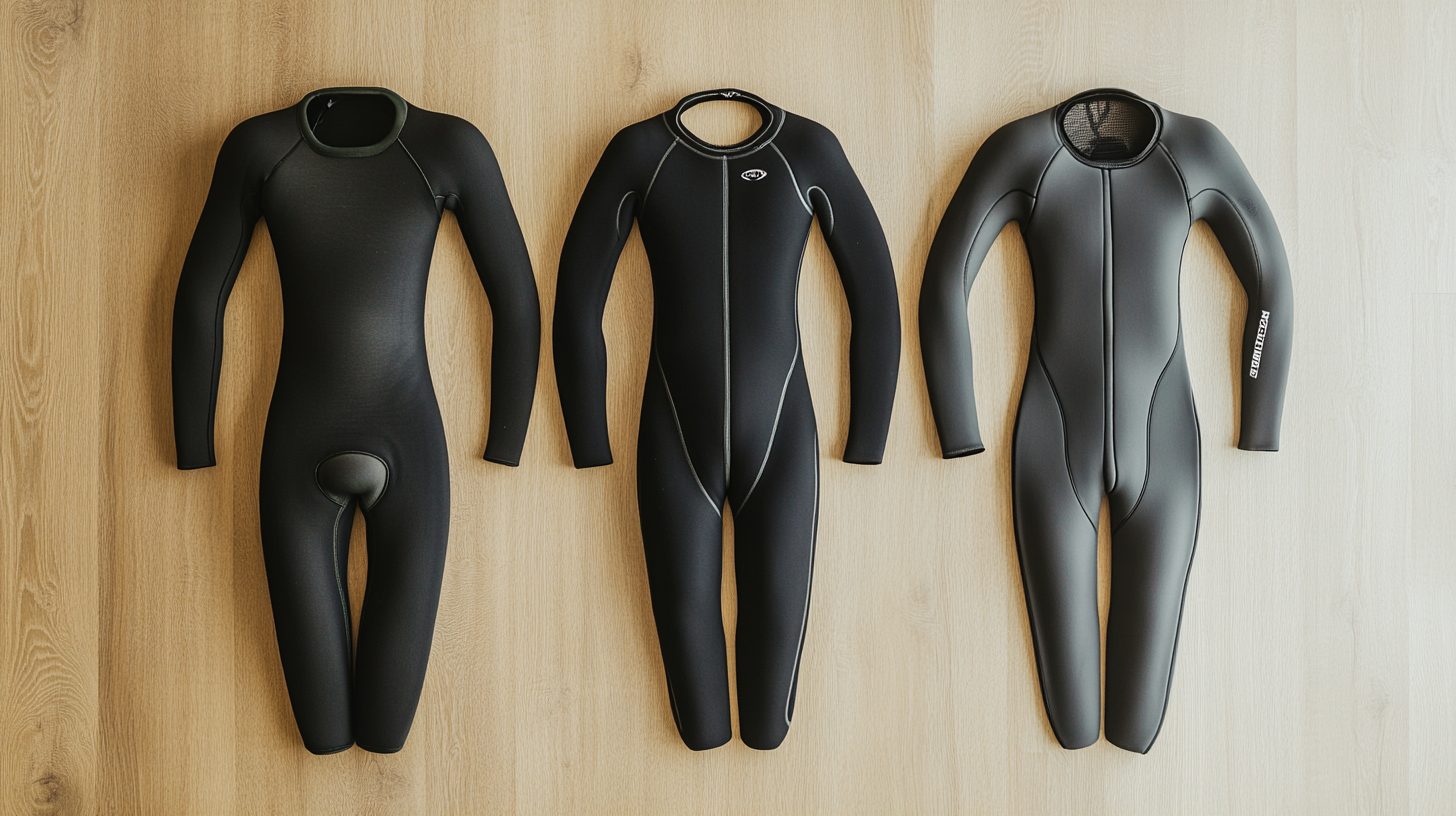
My Temperature-to-Thickness Guide
I've refined this through personal suffering. Your mileage may vary based on your body, but here's my honest breakdown:
- 28°C / 82°F and above: Rashguard or 1-2mm shorty. You're protecting against stings and sun, not cold.
- 24-28°C / 75-82°F: 3mm full suit. Most tropical diving lives here. The 3mm gives you flexibility for longer dives or deeper profiles where thermoclines drop temps by 3-4°C.
- 20-24°C / 68-75°F: 5mm full suit. This is my temperate diving workhorse. Mediterranean, Southern California summers, cooler Southeast Asia.
- 15-20°C / 59-68°F: 7mm full suit with hood, gloves, and boots. This is where cold-water diving starts and excuses stop.
- 10-15°C / 50-59°F: 7mm semi-dry or drysuit. At these temperatures, most divers will be genuinely cold in any wetsuit on dives longer than 30 minutes.
- Below 10°C / 50°F: Drysuit. Full stop. I've tried to tough it out in wetsuits below 10°C. It's not tough. It's just dumb.
The Variables That Charts Ignore
Body Composition
This is physics, not a judgment call. Subcutaneous fat is a natural insulator. Lean divers with low body fat lose heat faster. Period. If you're a lean diver who gets cold on land, add 1-2mm to whatever the chart says. I'm average build, and I consistently need the upper end of the thickness range.
Dive Duration and Repetitive Dives
A 30-minute dive at 24°C in a 3mm suit is fine. A 70-minute dive in the same conditions leaves me shivering at the safety stop. Duration matters enormously. On multi-dive days, your core temperature drops progressively, and your surface interval usually isn't long enough to fully rewarm — especially if you're sitting on a boat in wet gear with wind chill.
Depth
Surface temp might be 26°C. At 30 meters, you hit a thermocline and suddenly it's 20°C. If you regularly dive deep, choose your suit thickness for the temperature at depth, not at the surface. I learned this the hard way on a wall dive in Cozumel.
Wetsuit Age
Neoprene compresses over time. Those nitrogen bubbles that provide insulation get crushed by repeated pressure exposure. A two-year-old heavily-used 5mm suit might perform like a 3-4mm suit. If your existing suit doesn't keep you as warm as it used to, it's probably worn out — not inadequate.
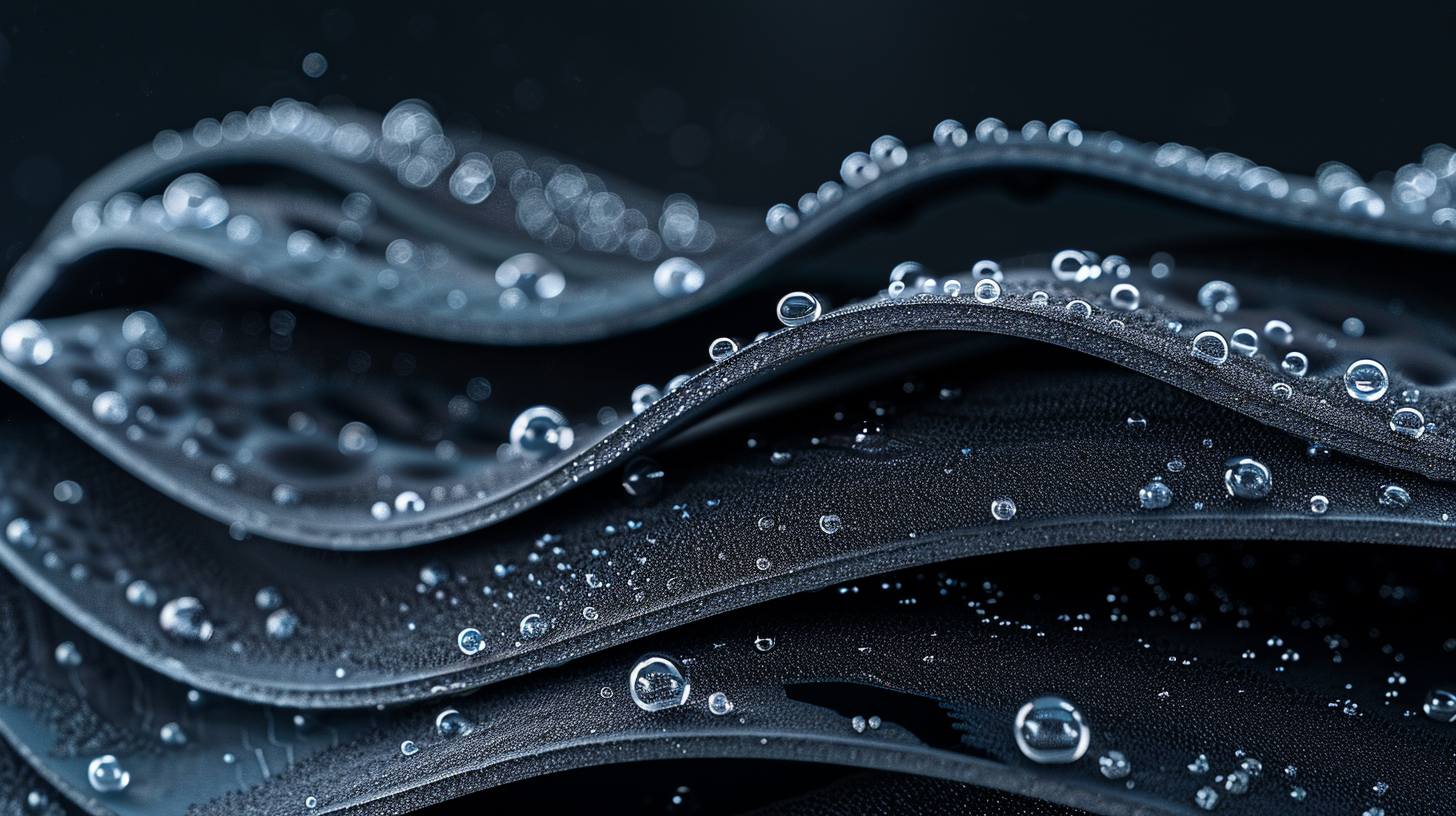
Not All Millimeters Are Equal
The quality of neoprene varies wildly. This is where your money actually goes:
- Standard neoprene: Baseline. Found in budget suits. Functional but stiffer and heavier.
- Limestone neoprene: Made from limestone-derived chloroprene instead of petroleum. Lighter, more flexible, retains warmth better. Most mid-range suits use this.
- Yamamoto neoprene: The gold standard from Yamamoto Corporation in Japan. Their #39 and #45 grades offer exceptional stretch and warmth-to-weight ratio. A 5mm Yamamoto suit frequently outperforms a 7mm standard neoprene suit.
- Graphene-lined neoprene: Newer tech. Graphene embedded in the inner lining. Independent testing supports claims of 20-30% better thermal retention. Fourth Element and Waterproof are leading this space.
Seam Construction Matters
How the panels are joined affects warmth and durability:
- Flatlock stitching: Needle passes completely through both panels. Water seeps through the holes. Fine for warm-water 3mm suits. Not for cold.
- Blind-stitched and glued (GBS): Panels are glued, then stitched only partway through so the needle never fully penetrates. Much less water ingress. This is the minimum I'd accept on a 5mm+ suit.
- Sealed seams: GBS with liquid rubber tape over the inside seams. Best water barrier short of a drysuit seam. Found on premium 5mm and 7mm suits.
My Recommendations by Diving Style
Tropical vacation diver: A 3mm full suit in decent neoprene. Budget $150-250. Don't buy the cheapest thing on Amazon. But you don't need Yamamoto for Bonaire.
Temperate water regular (18-24°C monthly): Invest in a quality 5mm GBS suit with sealed seams. Add a 2-3mm hooded vest for layering on colder days. Budget $300-500 for the suit, $80-120 for the vest. This is your workhorse.
Cold water diver (regularly below 15°C): 7mm semi-dry minimum. But honestly, consider a drysuit. Yes, the upfront cost is $1,200-3,000+. But the comfort difference is transformative. I resisted getting a drysuit for two years. Within three dives of owning one, I regretted every cold dive I'd done without it.
Traveling diver who dives everywhere: Own a 3mm and a 5mm. Add a hooded vest for layering. That covers 28°C down to about 16°C. Drysuit for anything colder.
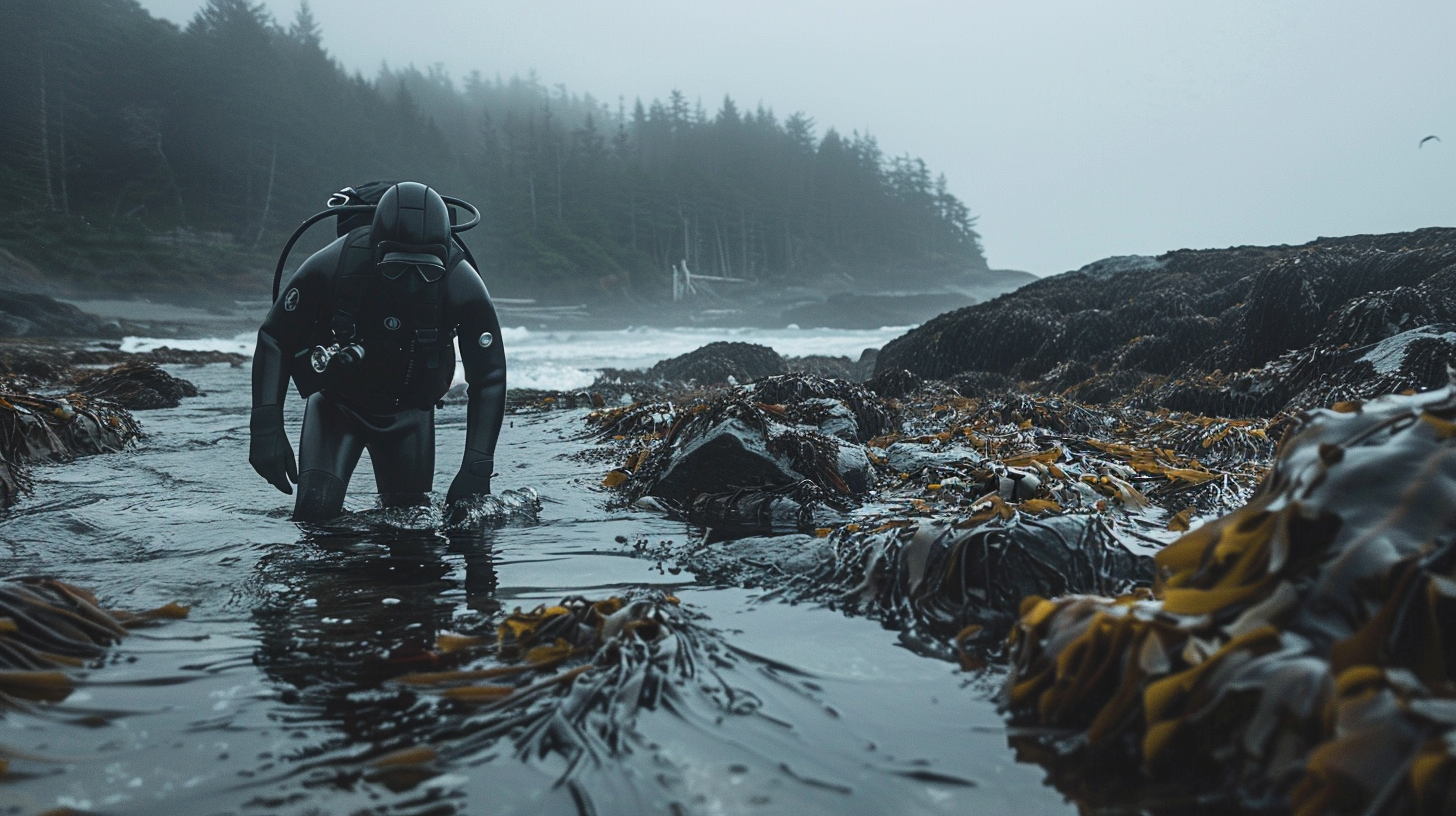
Fitting Tips From Someone Who's Gotten It Wrong
1. Put it on dry. A wet wetsuit is impossible to evaluate for fit. 2. Check the neck seal. Snug but not choking. Two fingers between seal and neck — if they slide in easily, it's too loose. 3. Raise your arms overhead. The suit shouldn't ride up significantly at the waist. 4. Squat down. Knees should flex without excessive restriction. 5. Bend forward and check the lower back. If it gaps away from your skin, that's a flush zone. Cold water will find it. Cold water always finds it.
A well-chosen wetsuit is the difference between ending a dive because you're cold and surfacing with a grin wanting to go again. Take the time. Get it right.
More Gear Reviews
Browse all gear reviews on the [OkToDive blog](/blog). Every review is written by a chemist who tests gear, not a marketer who photographs it.
→ [Trip Planner](/trip-planner) — match your gear to the right destination | [Best places to dive](/blog/best-places-to-scuba-dive)
→ [Subscribe to The Depth Report](/#newsletter) — monthly gear reviews, dive site scores, no hype.
I'm Chad. And I no longer pretend I run warm.