GoPro vs Paralenz: Which Underwater Camera Wins?
I brought both cameras on a liveaboard trip to the Red Sea. Twenty dives. Same reef. Same conditions. I'd mount one on each wrist like some kind of underwater content robot and shoot the same scenes simultaneously.
My wife asked why I couldn't just read reviews like a normal person. I told her the reviews are written by people who tested one camera for a weekend. I needed data. She stopped asking.
Here's what two months of side-by-side shooting taught me about the GoPro Hero 13 Black (in its dive housing) and the Paralenz Vaquita.
The Chemistry of Color Underwater
I'm going to nerd out for a second because this is the whole ballgame.
Water absorbs light wavelengths selectively. Red disappears first — basically gone by 5 meters. Then orange. Then yellow. By 15 meters, everything looks blue-green to your camera sensor unless you correct for it. This is Beer-Lambert Law in action, and it's the single biggest challenge in underwater video.
GoPro's approach: Shoot in standard color profile. Slap a red filter on the dive housing. Or shoot flat and color-correct in post. Protune mode gives you manual control over white balance, ISO, and shutter speed.
In practice: the red filter works between 5-15 meters in blue water. Below 15 meters, colors still skew blue-green. Above 5 meters, everything looks pink. Shooting without a filter and correcting in post gives the best results, but requires DaVinci Resolve or Premiere and actual editing skills.
Paralenz's approach: The Vaquita has a pressure sensor. It reads your depth. It adjusts white balance in real time based on how deep you are. As you descend, it progressively compensates for lost red wavelengths. As you ascend, it backs off.
The results are genuinely remarkable. Footage from 10 meters looks naturally colored straight from the camera. At 25 meters, colors are significantly more accurate than GoPro with a red filter. No post-processing needed.
Winner: Paralenz. Decisively. This isn't close.
Video Quality and Resolution
GoPro Hero 13: 5.3K at 60fps. HyperSmooth 7.0 stabilization. Slow motion at 4K/120fps. In good lighting conditions — shallow water, bright sun — the image quality is stunning.
Paralenz Vaquita: 4K at 30fps maximum. No 60fps at 4K. Slow motion limited to 1080p/120fps. Smaller sensor. More noise in low light.
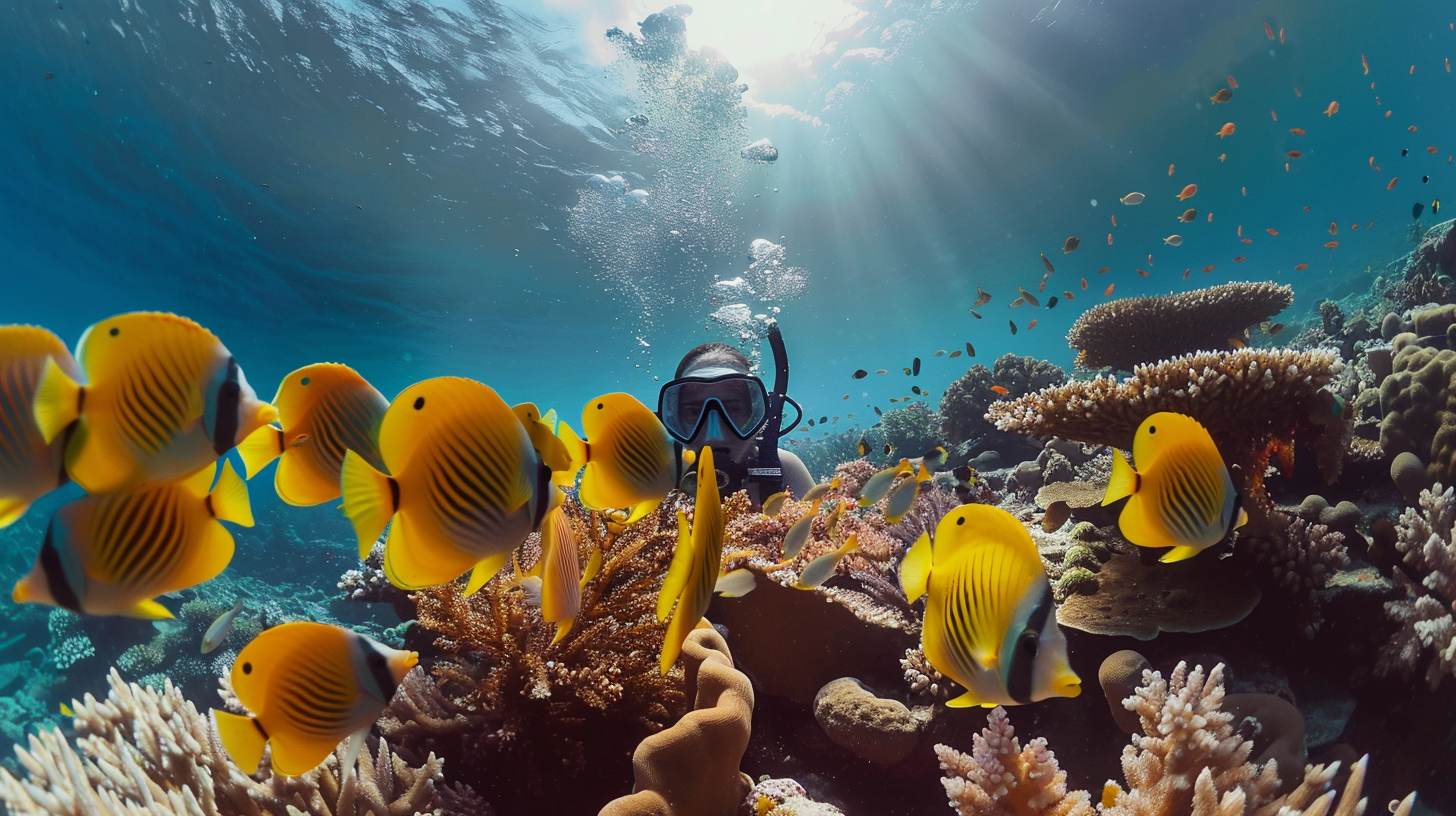
Here's the thing though: the Paralenz footage often looks better despite the lower resolution. Because the colors are accurate. A beautifully colored 4K video is more watchable than a blue-tinted 5.3K video. I've shown both to non-divers. They always prefer the Paralenz clips. Every time.
Winner: GoPro on specs. But specs don't tell the whole story.
Stabilization
This one's quick. HyperSmooth 7.0 is industry-leading. It turns shaky one-handed shooting into smooth, cinematic footage. The Horizon Lock keeps everything level even if you roll the camera. Underwater, where surge and current jostle you constantly, this is transformative.
The Vaquita has electronic stabilization. It's basic. It reduces major shakes but doesn't approach GoPro's fluidity. In surge conditions, the difference is obvious.
Winner: GoPro. By a wide margin.
Build Quality and Depth Rating
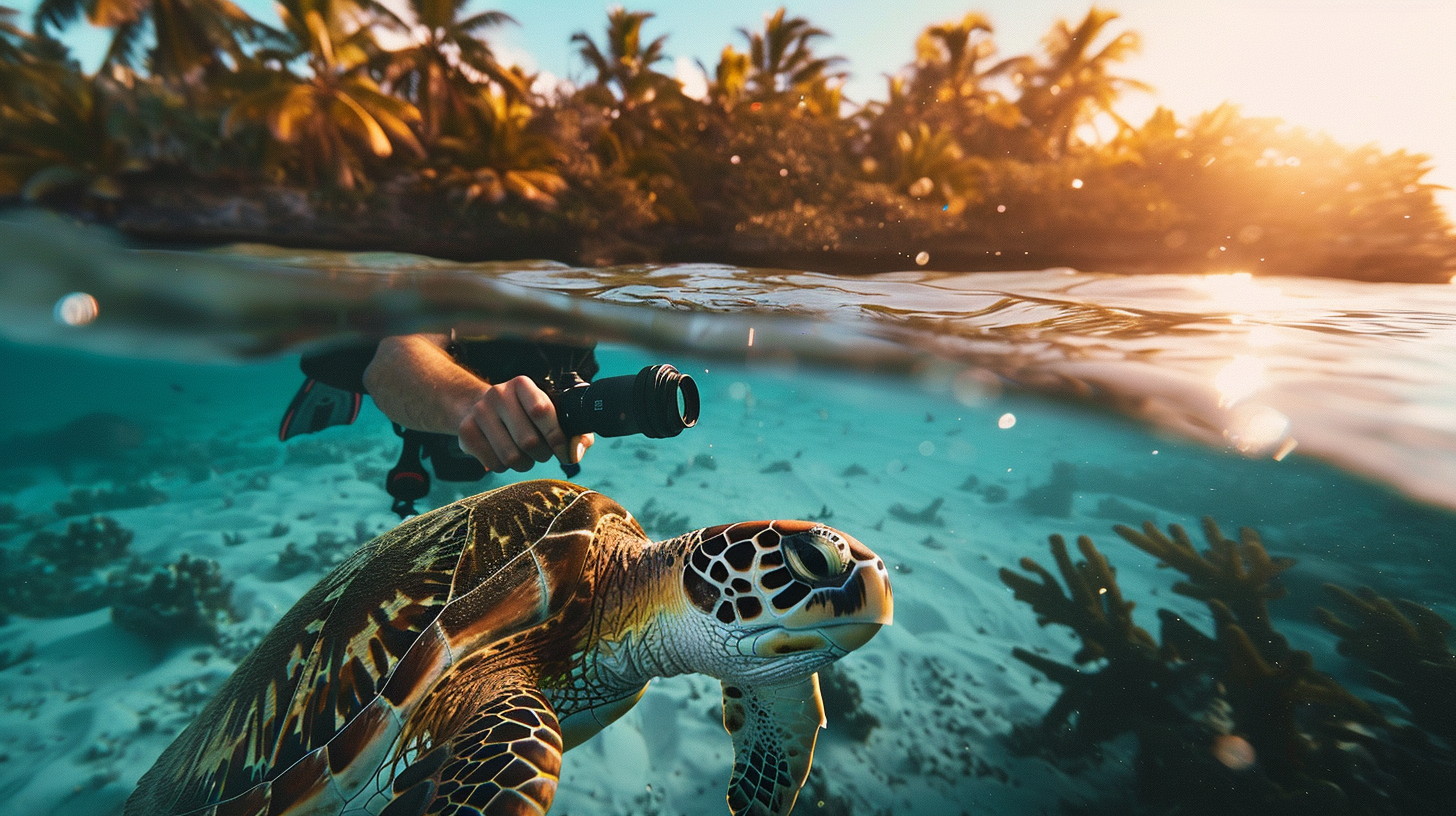
GoPro Hero 13: Waterproof to 10 meters without housing. For scuba, you need the $80 dive housing, which extends it to 60 meters. The housing adds bulk, covers the touchscreen, and introduces a potential failure point. I've never had a housing flood. I've also never stopped worrying about one.
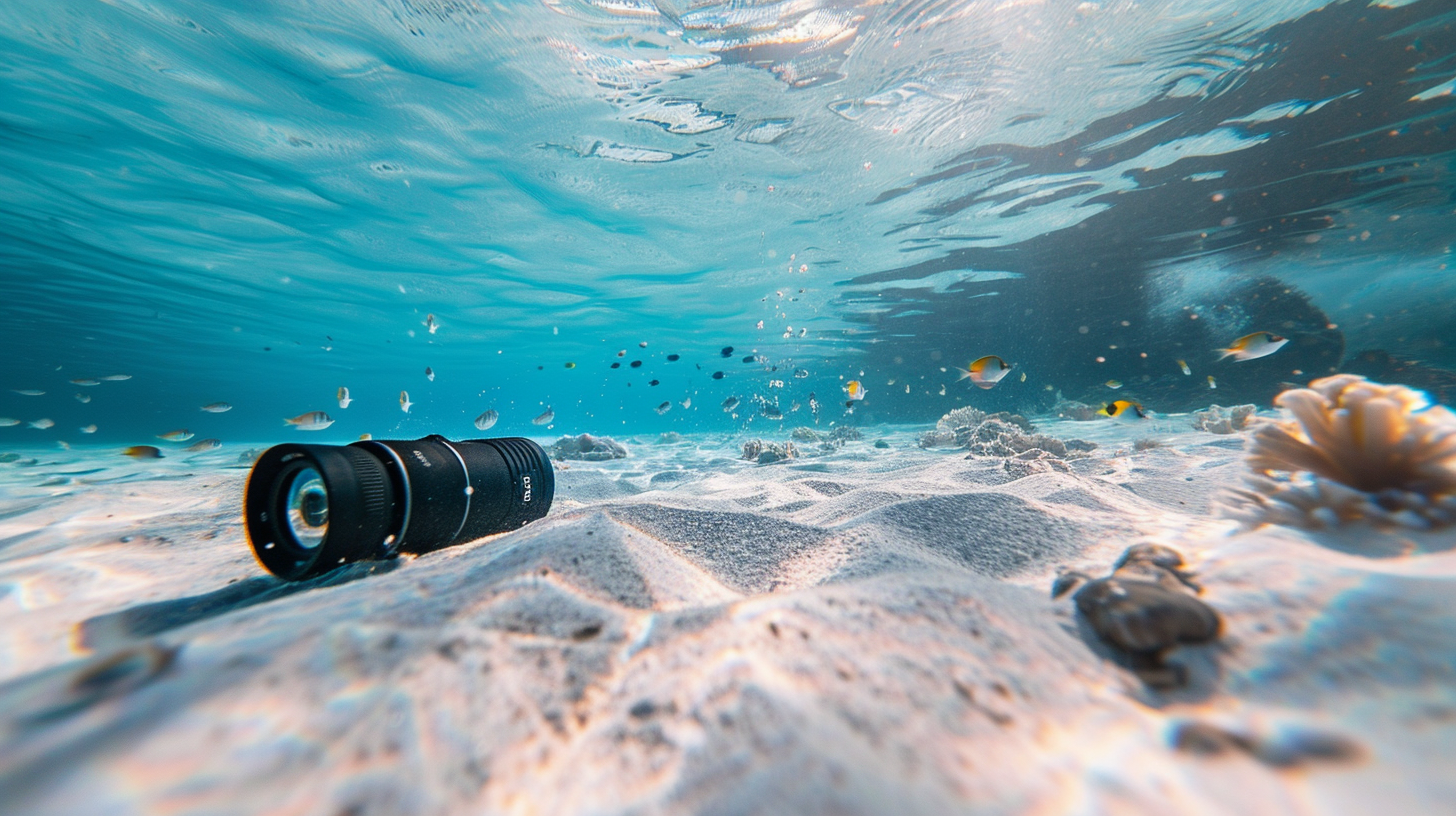
Paralenz Vaquita: Rated to 350 meters. No housing. The camera body IS the pressure vessel — machined from a single piece of anodized aluminum. No seals to fail. No housing to flood. You drop it in the water and it works.
The Vaquita also has a built-in depth and temperature sensor that overlays dive data onto your footage. GoPro offers nothing like this.
Winner: Paralenz. The peace of mind alone is worth it.
Usability Underwater
GoPro in dive housing: The housing covers the touchscreen. All interaction is through two buttons. Changing settings underwater is clunky. You set up your shooting mode on the surface and hope you guessed right.
Paralenz Vaquita: One button. Press to record. Press to stop. Long press for photo. Settings are configured via phone app before the dive.
This simplicity is either a feature or a limitation. For me — a diver who wants to capture the dive, not spend the dive fiddling with a camera — it's a feature.
Winner: Paralenz for simplicity. GoPro if you need mid-dive adjustments (through that awkward housing).
Battery Life
GoPro: 60-80 minutes of continuous 4K recording. I averaged 70 minutes per charge. Batteries are swappable between dives.
Paralenz: 120-150 minutes at 4K. I consistently got two full dives on one charge. Battery is internal, not swappable.
Winner: Paralenz on total runtime. GoPro on swap flexibility.
The Verdict
| Feature | GoPro Hero 13 | Paralenz Vaquita | |---|---|---| | Max Resolution | 5.3K/60fps | 4K/30fps | | Color Accuracy | Requires filter/post | Excellent (DCC) | | Depth Rating | 60m (with housing) | 350m (no housing) | | Stabilization | Excellent | Basic | | Battery Life | 70 min | 140 min | | Price | $400 + $80 housing | $450 |
For most recreational divers who want great-looking dive footage without hours in post-production, the Paralenz Vaquita wins. Better color. No housing anxiety. Twice the battery life. One-button operation.
The GoPro is the better camera above water and the better camera for content creators who edit everything in post. If you're already comfortable with DaVinci Resolve and you shoot both topside and underwater, the GoPro makes sense.
But if you're buying a camera specifically for diving? The Paralenz. It's not even close.
More Gear Reviews
Browse all gear reviews on the [OkToDive blog](/blog). Every review is written by a chemist who tests gear, not a marketer who photographs it.
→ [Trip Planner](/trip-planner) — match your gear to the right destination | [Best places to dive](/blog/best-places-to-scuba-dive)
→ [Subscribe to The Depth Report](/#newsletter) — monthly gear reviews, dive site scores, no hype.
I'm Chad. I tested both so you don't have to mortgage your dive trip for the wrong camera.