Best Dive Computers of 2026: A Data-Driven Comparison
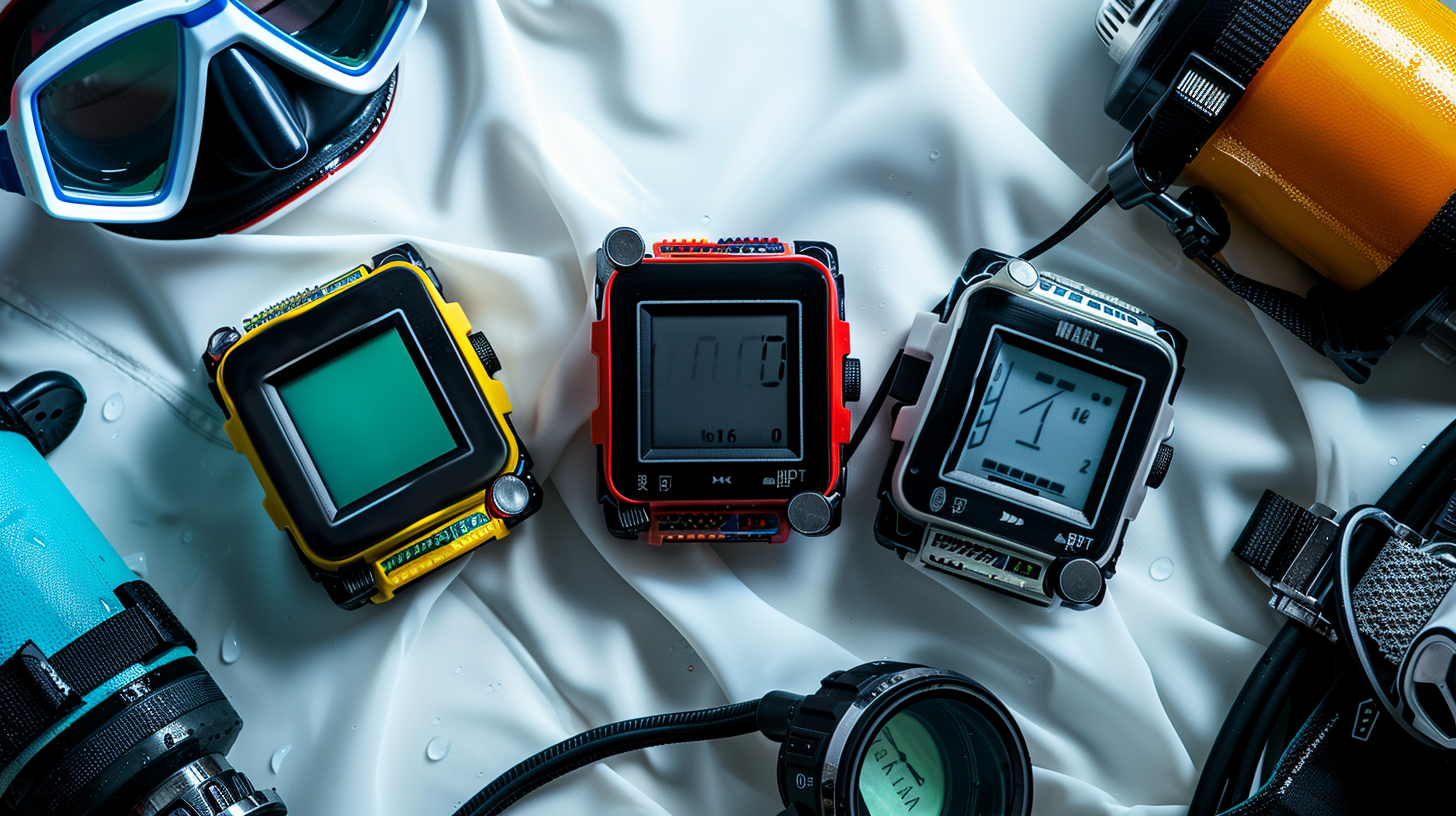
I wore three dive computers on the same wrist for 60 dives. My buddy thought I was losing it. He wasn't wrong.
But here's the thing — I'm an analytical chemist. When I see three instruments measuring the same thing and giving me three different answers, I don't shrug it off. I make a spreadsheet. I ran the Shearwater Peregrine 2, the Garmin Descent Mk3i, and the Suunto D5 side-by-side across three months of diving. Caribbean reefs. Pacific kelp forests. One particularly miserable 7°C dive in Puget Sound where I questioned my life choices.
Here's what I found.
How I Tested
No surveys. No vibes. Data. I logged every dive and compared:
- NDL calculations at matched depths — how much no-deco time each unit gave me
- Display readability in bright sun, overcast skies, and night dives
- Battery life from full charge through continuous use
- Menu navigation speed — timed how long it took to switch gas mixes and access logs
- Post-dive data quality — what each app actually showed me after the dive
Shearwater Peregrine 2
This is the one I keep reaching for. I'll tell you why.
The Peregrine 2 runs Bühlmann ZHL-16C with adjustable gradient factors. If that sentence means nothing to you, here's the short version: it lets you decide exactly how conservative your decompression calculations are. Not "Low, Medium, High" — actual gradient factor values. GF 30/70 if I'm feeling cautious. GF 40/85 if conditions are perfect and I'm doing a shallow reef dive.
The analytical chemist in me loves this. I can see the math. I can control the math. I trust instruments more when I understand what they're doing.
What won me over:
- The display is the best I've used. Full-color LED, readable in direct sun and pitch darkness. I could read my deco status at 30 meters without squinting, even with my aging eyes.
- Battery life: 30+ hours of dive time on a rechargeable battery. I went two full dive trips without charging. That's roughly 35 recreational dives.
- The data screens. I can customize exactly what I see. Depth, NDL, water temp, dive time, ascent rate — arranged the way my brain wants them. This matters more than people think.
- Bluetooth sync to Shearwater Cloud is seamless. My dive logs are detailed and exportable.
- No GPS. I mark dive sites on my phone like a caveman.
- Two-button interface is reliable but slow for menu navigation. I timed it at 22 seconds to switch gas mixes versus 14 on the Garmin.
- No heart rate monitoring, if that matters to you.
Garmin Descent Mk3i
The Mk3i is genuinely impressive. It's also trying to be six things at once.
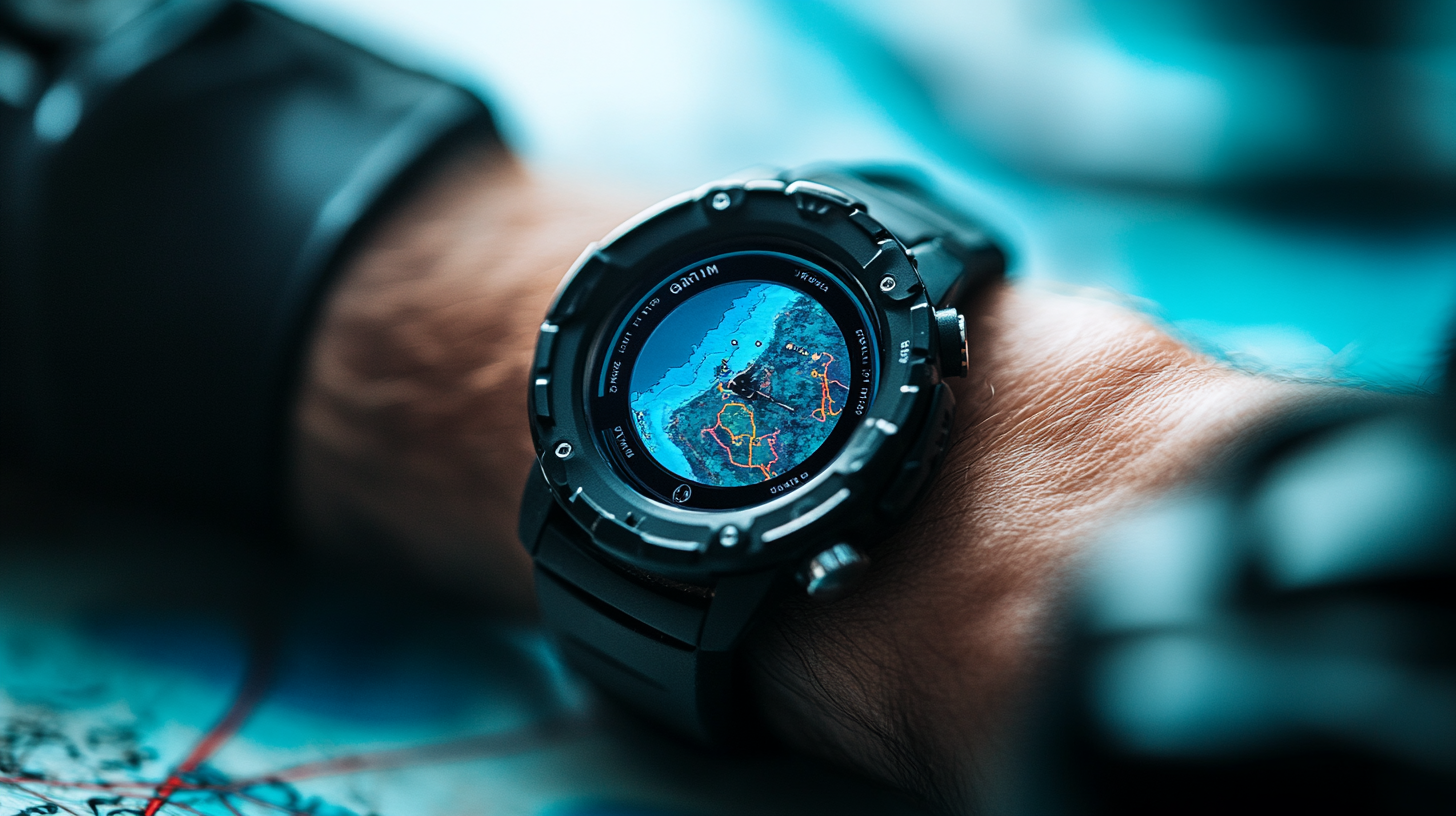
Garmin brought their smartwatch DNA to diving, and it shows. GPS dive site logging, heart rate monitoring, sleep tracking, Garmin Pay, music storage — it replaces your daily watch entirely. The surface GPS automatically marked my entry and exit points across 60 dives, creating a map of my dive sites that I'll admit was pretty cool.
What I liked:
- GPS dive site logging is a killer feature. No other dive computer does this.
- Multi-sport modes. Freediving, swimming, running — one device for everything.
- It's 98 grams. The lightest by a mile. I forgot I was wearing it topside.
- Touchscreen + five buttons. The touchscreen correctly disables underwater. Smart.
- The display is 1.4 inches. On a 35-meter dive in cold water with 5mm gloves, I was squinting at secondary data. At depth when it matters most, screen real estate matters.
- Garmin's algorithm gives you Low/Medium/High conservatism settings. That's it. No gradient factors. I can't see what it's doing, and that bothers me as someone who actually understands the decompression models.
- Battery life in dive mode was 24 hours. Solid, but not Peregrine territory.
Suunto D5
The D5 is Suunto's mid-range offering, and it's a solid, well-built computer. It runs the Suunto Fused RGBM algorithm, which accounts for microbubble formation in ways traditional Bühlmann doesn't. It adapts based on your recent dive history — automatically adding conservatism after repetitive deep dives.
What I appreciated:
- The color touchscreen is sharp and intuitive. Menu navigation was the fastest of the three.
- Wireless air integration worked flawlessly. Gas time remaining calculations were consistently within 5 minutes of my actual turnaround times.
- Suunto's RGBM algorithm is genuinely interesting from a science perspective. The model considers dissolved gas and free-phase microbubbles — a more complete picture of decompression physiology (Wienke, 1990; Saul et al., 2011).
- Compact and comfortable on the wrist. Good balance between screen size and wearability.
- The Suunto app ecosystem lags behind both Garmin Connect and Shearwater Cloud for data visualization. My dive logs felt like they were trapped behind a mediocre interface.
- On repetitive dive days (4+ dives), the RGBM algorithm got noticeably more conservative on later dives. On one trip, it cut my third dive 8 minutes shorter than the Peregrine would have. Safety feature? Sure. But I'd rather make that call myself.
- Price-to-feature ratio isn't the strongest in this lineup.
The Verdict
| Feature | Shearwater Peregrine 2 | Garmin Descent Mk3i | Suunto D5 | |---|---|---|---| | NDL at 30m (air) | 16 min | 13 min | 14 min | | Battery Life | 30+ hrs | 24 hrs | 12 hrs | | Display | 2.2" color LED | 1.4" AMOLED | 2.2" color touch | | Weight | 114g | 98g | 108g | | GPS | No | Yes | No | | Price (USD) | $475 | $1,300 | $700 |
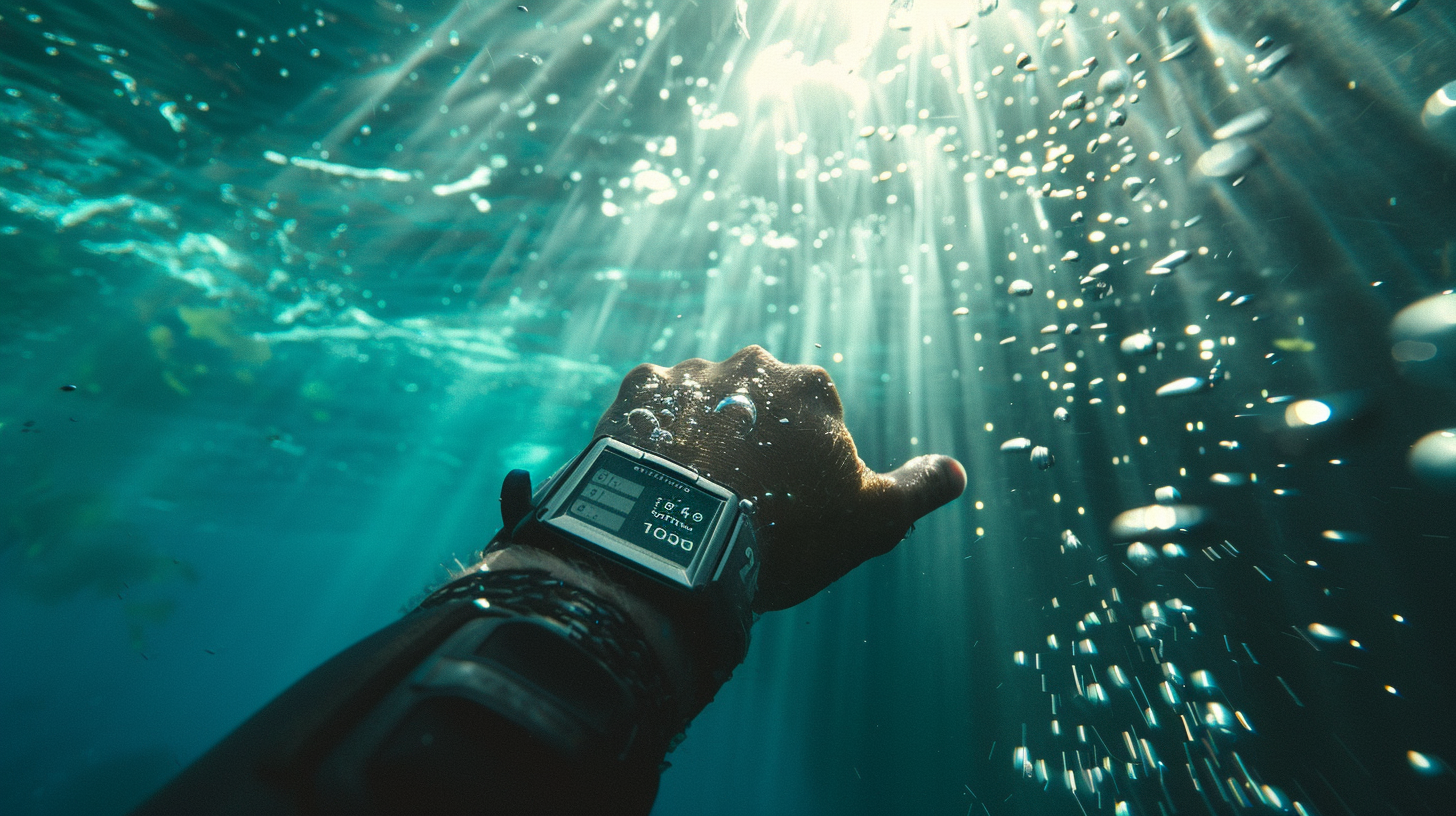
My pick: Shearwater Peregrine 2. It's the least expensive, has the best display for diving, the longest battery life, and gives me full control over my decompression model. The chemist in me needs to see the variables. The Peregrine shows them to me.
Get the Garmin if you want one device for your entire life — diving, running, sleeping, paying for coffee. The GPS logging is legitimately great.
Get the Suunto if you want a touchscreen interface, wireless air integration out of the box, and you trust adaptive algorithms more than I do.
All three are good computers from serious manufacturers. But I know which one I strap on when it's my dive, my depth, my decision.
More Gear Reviews
Browse all gear reviews on the [OkToDive blog](/blog). Every review is written by a chemist who tests gear, not a marketer who photographs it.
→ [Trip Planner](/trip-planner) — match your gear to the right destination | [Best places to dive](/blog/best-places-to-scuba-dive)
→ [Subscribe to The Depth Report](/#newsletter) — monthly gear reviews, dive site scores, no hype.
I'm Chad. Your chemist who can't stop making spreadsheets, even underwater.